

The Growing Supply Deficit in the Global Copper Market
The Silent Pulse of Progress: Contemplating the Copper Gap
In the quiet hum of an electric engine and the invisible flow of data through a skyscraper’s veins, there lies a singular, unyielding constant: copper. For centuries, this red metal has been the silent partner of human ingenuity. Yet, as we stand at the precipice of a global energy transition, we are forced to confront a sobering reality. The world is facing a growing supply deficit in the copper market, a gap that is not merely a statistical anomaly but a reflection of our collective ambition outstripping our current earthly reach.
To reflect on the copper market today is to recognize a profound irony. At the very moment humanity has committed to a cleaner, more electrified existence, the primary material required to build that future is becoming increasingly difficult to secure. This deficit invites us to look deeper into the mechanics of our global economy and the responsibilities we hold as stewards of natural resources.
The Paradox of Modern Demand
The narrative of the copper deficit is often framed in the cold language of supply and demand curves. However, the true story is one of human transformation. We are moving away from a carbon-heavy past toward a future defined by decarbonization and electrification. This transition is not a luxury; it is a necessity. But this necessity carries a heavy price in raw materials.
The Decarbonization Dilemma
Consider the electric vehicle (EV). A single EV requires nearly four times as much copper as a traditional internal combustion engine vehicle. When we multiply this by the millions of cars intended to hit the roads in the coming decade, the scale of the challenge becomes clear. Furthermore, the wind turbines and solar farms that will power these vehicles are themselves copper-intensive. We are, in essence, trying to rebuild the world’s energy infrastructure from the ground up, using a metal that is becoming harder to find and more complex to extract.
The Fragility of Supply
While demand soars, the supply side of the equation remains tethered to the slow, deliberate pace of geological and industrial reality. Many of the world’s largest copper mines are aging, their ore grades naturally declining as the easiest-to-reach deposits are exhausted. To replace this lost production, new mines must be discovered and developed. Yet, the path from a discovery to a producing mine is now longer than ever, often spanning fifteen to twenty years due to regulatory hurdles, environmental considerations, and the sheer technical difficulty of modern mining.
Why the Deficit is Deepening
The growing gap in the copper market is not the result of a single factor, but rather a convergence of several global shifts. To understand the depth of this deficit, we must look at the structural barriers that prevent supply from keeping pace with our aspirations:
- Declining Ore Grades: The quality of copper ore being mined globally is steadily dropping, meaning more rock must be processed to produce the same amount of metal.
- Lack of Major Discoveries: Despite increased exploration budgets, the industry has seen a dearth of "tier-one" copper discoveries over the last two decades.
- Geopolitical Complexity: Many of the world’s remaining copper deposits are located in jurisdictions where political instability or changing fiscal regimes can stall development.
- Environmental and Social Governance (ESG): The necessary and vital shift toward responsible mining means that projects must meet higher standards of sustainability, which requires more time, investment, and community engagement.
Reflecting on Value and Responsibility
As we navigate this period of scarcity, the concept of "value" in the copper market is being redefined. For the thoughtful investor and the responsible developer, value is no longer just about the spot price of a commodity. It is about the long-term viability of resources and the integrity with which they are brought to market.
The copper deficit teaches us that we can no longer take the earth’s bounty for granted. It requires us to adopt a mindset of stewardship rather than mere consumption. This means supporting mining practices that prioritize water conservation, minimize carbon footprints, and create lasting benefits for local communities. In the face of a supply gap, the projects that will ultimately succeed are those that align their operational goals with the broader values of a sustainable society.
The Long View: A Call for Foresight
Looking ahead, the copper market deficit serves as a reminder of the intricate interconnectedness of our world. A delay in a mining project in South America can ripple through the supply chains of European automakers and affect the renewable energy goals of North American cities. We are all participants in this delicate balance.
For those of us involved in the world of resource development and investment education, this deficit is a call to action. It is an invitation to look beyond the immediate volatility of the markets and focus on the fundamental role that copper plays in the human story. The gap between supply and demand is a space of opportunity—an opportunity to innovate, to refine our practices, and to build the foundations of a future that is as resilient as the metal itself.
Conclusion: The Red Metal’s Quiet Revolution
The growing copper supply deficit is more than a market trend; it is a testament to the scale of the global transition currently underway. As we reflect on the challenges of scarcity, we find a renewed appreciation for the essential role of responsible mining. By understanding the complexities of the copper market, we can better appreciate the effort required to power our world and the profound importance of developing resources with a vision for the long term. The red metal remains at the heart of our progress, reminding us that a sustainable future is not just dreamed—it is built, one ton of copper at a time.


The Growing Supply Deficit in the Global Copper Market
The Electrification Paradox: Demand Outpacing Discovery
The global energy landscape is currently undergoing a transformation of historic proportions. At the heart of this shift lies a singular, reddish-brown metal: copper. Often referred to as "Doctor Copper" for its ability to diagnose the health of the global economy, the metal is now facing a structural crisis. The widening gap between projected demand and available supply is no longer a fringe concern of industry insiders; it has become a central theme for global policy and investment strategy.
Meeting this demand requires a commitment to responsible resource development to ensure that new projects can navigate complex regulatory environments and secure social licenses to operate.
The paradox of the modern era is that our path to a carbon-neutral future is paved with minerals that require intensive extraction. As the world pivots away from fossil fuels, the demand for copper—the primary conductor of electricity—is skyrocketing. From the intricate wiring of electric vehicles (EVs) to the massive infrastructure required for wind and solar farms, copper is the non-negotiable ingredient of the green transition. However, as demand trajectories point toward the stratosphere, the supply side of the equation remains grounded by decades of underinvestment and geological reality.
The Role of the Green Transition
To understand the scale of the deficit, one must look at the intensity of copper usage in emerging technologies. A conventional internal combustion engine vehicle contains roughly 20 to 50 pounds of copper. In contrast, a battery-electric vehicle requires between 130 and 180 pounds. On a larger scale, renewable energy systems require up to twelve times more copper than traditional power generation methods. This shift represents a fundamental change in the global consumption pattern of base metals, moving from cyclical industrial use to a secular, structural necessity.
Structural Barriers to Supply
If the demand for copper is so transparently high, the logical question is why supply has failed to keep pace. The answer lies in a complex web of geological, economic, and geopolitical factors that cannot be resolved overnight. Mining is not a "just-in-time" industry; it is a marathon that requires decades of foresight.
Several key factors are currently constricting the global copper pipeline:
- Declining Ore Grades: The world’s "easy" copper has already been mined. In major producing regions like Chile, ore grades have declined by approximately 25% over the last decade, meaning miners must process significantly more rock to produce the same amount of finished metal.
- Lengthy Permitting and Development Timelines: It now takes an average of 15 to 20 years for a copper discovery to reach first production. Stringent environmental regulations and complex bureaucratic processes, while necessary for responsible development, have extended lead times significantly.
- Geopolitical Volatility: A significant portion of the world’s copper reserves is located in jurisdictions facing political uncertainty or social unrest. Changes in mining codes, royalty structures, and local opposition can stall or cancel major projects.
- Capital Underinvestment: Following the commodity price crash of the mid-2010s, many mining majors prioritized balance sheet repair and shareholder dividends over exploration and development. This has left a void in the project pipeline that is only now being addressed.
The Challenge of New Discoveries
Major copper discoveries have become increasingly rare. Despite increased exploration budgets over the last few years, the number of "tier-one" assets—those capable of producing over 200,000 tonnes per year for decades—is dwindling. Most current growth is coming from brownfield expansions of existing mines rather than the greenfield projects required to meet future demand. This lack of new, large-scale projects creates a ceiling on how quickly the industry can respond to price signals.
The Investment Landscape: Navigating the Shortfall
From an investment perspective, the copper supply deficit represents one of the most compelling narratives in the natural resources sector. Analysts at major financial institutions, including Goldman Sachs and S&P Global, have repeatedly warned of a "copper crunch" by the late 2020s. Some estimates suggest a shortfall of nearly 10 million tonnes by 2035 if new projects are not fast-tracked.
This looming deficit is expected to provide a strong floor for copper prices, but it also changes the criteria for evaluating mining investments. Investors are increasingly looking beyond mere tonnage and focusing on "responsible supply." In an era of heightened ESG (Environmental, Social, and Governance) awareness, the copper that the world needs must be produced with minimal environmental impact and maximum benefit to local communities. Projects that can demonstrate a clear path to sustainable production are likely to command a premium in a supply-constrained market.
A Future Defined by Scarcity
The growing supply deficit in the global copper market is not a temporary imbalance but a structural reality of the 21st-century economy. The transition to a sustainable energy future is effectively a transition to a mineral-intensive future. As the world attempts to electrify everything from transportation to home heating, the pressure on copper miners to perform will only intensify.
For the market to reach equilibrium, a massive influx of capital into exploration and development is required, alongside a streamlined approach to permitting that does not compromise on environmental standards. Until then, the copper deficit remains a significant bottleneck for global climate goals and a defining theme for the next decade of resource investment. The metal of the past is undeniably the metal of the future, but only if we can find enough of it to power the world we are trying to build.
Building Value Through Sustainable Mining Practices
The mining industry is undergoing a profound transformation. What was once measured purely in tons extracted and profits generated is now defined by sustainability, transparency, and long-term value creation. Modern mining companies are proving that economic success and environmental responsibility can—and must—coexist.
In this new era, sustainable mining practices are not only shaping reputations but also driving measurable business performance.
1. Redefining Value in the Mining Sector
The traditional view of mining centered on production output and market price. Today, value extends far beyond the commodity itself.
Investors, regulators, and communities expect companies to operate with integrity, efficiency, and accountability—balancing profitability with environmental and social impact.
A mine that prioritizes sustainability doesn’t just extract resources—it creates a legacy of trust, ensuring long-term access to capital, talent, and partnerships.
2. Environmental Innovation as a Competitive Advantage
Sustainable mining begins with minimizing impact at every stage of the operation. From exploration to closure, new technologies are redefining efficiency:
- Renewable energy integration reduces carbon emissions across production.
- Closed-loop water systems ensure responsible consumption in arid regions.
- Automated monitoring detects and addresses environmental risks in real time.
These advances don’t just reduce environmental footprint—they optimize operations, cut costs, and strengthen compliance. Sustainability is no longer a cost center; it’s a source of innovation and resilience.
3. Strengthening Communities Through Responsible Practices
Mining success depends on the well-being of the communities it touches. Genuine stakeholder engagement, fair employment, and local development initiatives form the foundation of lasting partnerships.
Companies that invest in education, healthcare, and infrastructure not only elevate living standards but also build enduring goodwill. This social stability is essential for maintaining operational continuity and securing the social license to operate.
4. Governance and Transparency as Strategic Pillars
Clear reporting, third-party audits, and open communication are the hallmarks of responsible governance. Modern stakeholders expect more than promises—they demand proof.
By aligning operations with global ESG standards, mining companies enhance credibility, attract ethical investors, and position themselves for sustainable growth.
Transparency transforms perception—and perception, in turn, drives value.
5. The Business Case for Sustainability
The evidence is clear: sustainable mining creates tangible economic returns. Companies that adopt best-in-class environmental and social practices consistently outperform peers in risk management, efficiency, and investor trust.
In the long term, the most sustainable operations will also be the most profitable and resilient. As demand for critical minerals like copper continues to grow, responsible producers will lead the market—not just in output, but in global reputation and strategic influence.
Conclusion: Mining That Builds More Than Profit
The future of mining is about more than extraction—it’s about creating enduring value for people, planet, and investors alike.
By embedding sustainability into every layer of strategy and execution, companies are turning challenges into opportunities and shaping a responsible, future-ready mining industry.
Sustainable mining isn’t just the right thing to do—it’s the smartest business model for the decades ahead.
Why Responsible Resource Development Matters More Than Ever
As global industries accelerate toward clean energy and sustainability, the pressure to source materials responsibly has never been greater. The world’s transition to a low-carbon future relies on critical resources—copper, lithium, nickel, and others—but how we extract and manage these resources defines whether that future is truly sustainable.
Today, responsible resource development is not just a corporate goal—it’s a global imperative.
1. The Changing Landscape of Resource Extraction
For decades, mining was driven by output and profitability. Now, it’s driven by accountability. The new reality demands that mining companies balance economic growth, environmental protection, and community engagement in equal measure.
Modern investors, governments, and consumers all expect operations to meet ESG (Environmental, Social, and Governance) standards. Projects that fail to address their social or environmental impact face delays, opposition, and reputational risk.
The age of unchecked extraction is over—today’s industry must prove that development can coexist with sustainability.
2. Environmental Stewardship Is a Strategic Advantage
Mining operations now sit at the heart of climate strategy. With renewable energy systems, electric vehicles, and digital infrastructure all depending on mineral supply, reducing the environmental footprint of extraction has become a strategic necessity.
Technologies like closed-loop water recycling, renewable-powered operations, and precision exploration help minimize impact while maximizing efficiency. Companies that adopt these innovations don’t just protect the environment—they secure their long-term competitiveness in an increasingly regulated world.
3. Empowering Local Communities
True sustainability extends beyond environmental performance—it includes social responsibility. Responsible development means ensuring that nearby communities benefit from mining activities through local employment, infrastructure investment, and skill development.
Open dialogue, fair compensation, and transparent engagement turn potential conflicts into long-term partnerships. A project that uplifts its community is one that earns its social license to operate—and maintains it.
4. Governance and Transparency Build Investor Confidence
Investors are prioritizing companies that demonstrate ethical governance and transparent reporting. With global regulations tightening, the ability to track materials from mine to market is critical.
By integrating traceability systems and independent audits, responsible developers ensure accountability across the supply chain—reassuring stakeholders that sustainability isn’t a slogan, but a standard.
5. A Foundation for a Sustainable Future
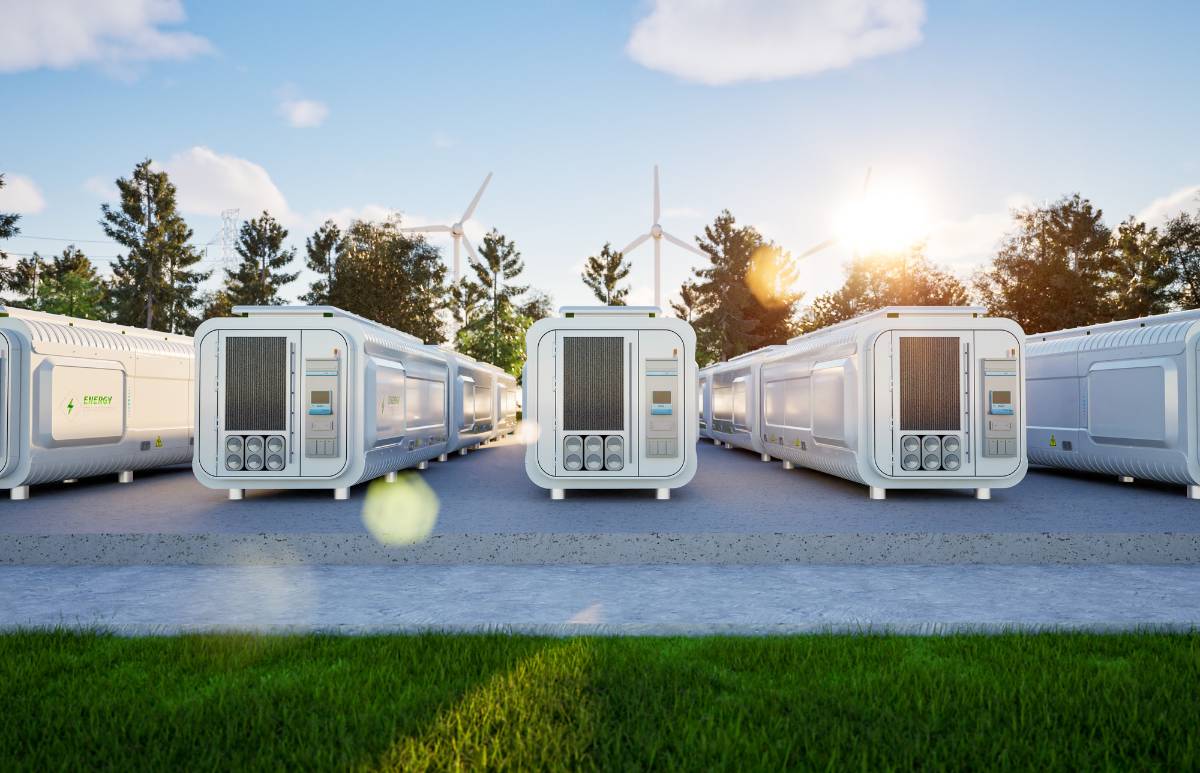
The path to a decarbonized economy runs directly through the mining sector. Without responsibly sourced copper and other critical minerals, renewable energy and electrification would stall.
Responsible resource development ensures that progress doesn’t come at the planet’s expense. It’s how the mining industry transforms from an environmental challenge into an enabler of sustainable growth.
Conclusion: Responsibility Is the New Competitive Edge
In a world defined by environmental urgency and social awareness, responsible resource development is no longer optional—it’s the benchmark of leadership. The companies that invest in cleaner technology, fair partnerships, and transparent practices aren’t just extracting minerals; they’re building the ethical foundation of the global energy transition.
In the 21st century, sustainability isn’t a cost—it’s the smartest investment of all.
The Essential Role of Copper in a Sustainable Energy Future
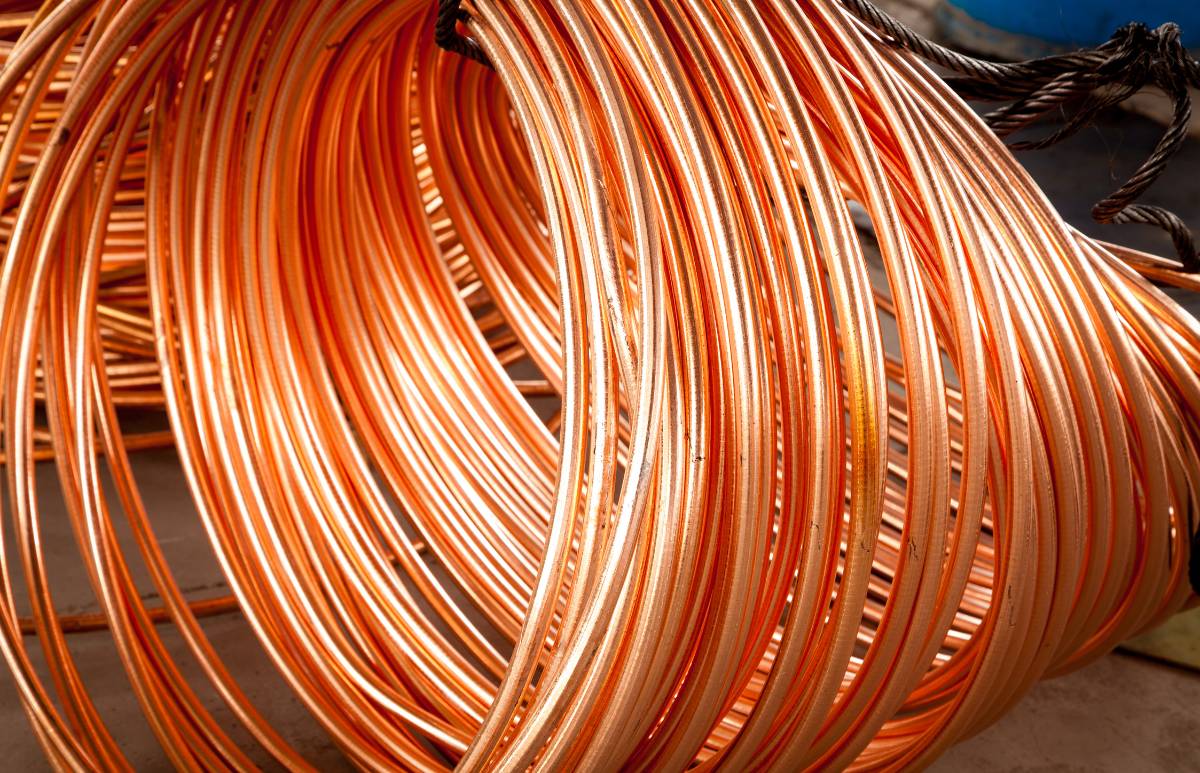
As the world races toward carbon neutrality, few materials are as critical to this transformation as copper. Known as the “metal of electrification,” copper is the silent enabler of the renewable energy revolution, powering everything from wind turbines to electric vehicles. Its unmatched conductivity, durability, and recyclability make it indispensable for building a resilient and sustainable energy infrastructure.
But beyond its industrial use, copper represents something far greater—the bridge between natural resources and a cleaner, smarter planet.
1. The Metal That Powers the Green Transition
Copper is the backbone of electrical efficiency. Solar panels, wind farms, and hydropower systems rely on it to transmit energy with minimal loss. An average electric vehicle contains nearly four times more copper than a traditional car, reflecting how the shift toward electrification directly increases global demand.
Without copper, large-scale energy transition simply isn’t possible. It’s the element that keeps the current flowing in both a literal and economic sense.
2. Driving Innovation in Renewable Energy Systems
Every major renewable energy system depends on copper. In wind turbines, it conducts power from the nacelle to the grid; in solar installations, it links panels efficiently; in battery storage, it supports high-capacity energy transfer.
Modern innovators are exploring advanced copper alloys and coatings to improve efficiency and extend equipment lifespan, cutting both operational costs and environmental waste. As technology advances, copper remains at the center of innovation.
3. A Circular Economy Metal
Unlike many industrial materials, copper is infinitely recyclable without losing its quality. Roughly one-third of the copper in use today comes from recycled sources, and this percentage is steadily climbing.
This circular quality reduces energy consumption, lowers carbon emissions, and supports sustainable resource management—a key principle in today’s ESG-focused industries.
Every ton of recycled copper saves up to 85% of the energy required for primary production—a major win for both profitability and the planet.

4. Securing the Future Supply Chain
The global energy transition depends on responsible mining and transparent supply chains. As demand rises, ensuring ethical and environmentally conscious copper production is paramount.
Modern operations are integrating low-emission extraction technologies, water-efficient systems, and community development initiatives to ensure that growth in copper supply aligns with global sustainability goals.
Balancing development with stewardship will define the next era of the copper industry.
5. The Long View: Building Sustainable Infrastructure
From urban power grids to offshore wind farms, copper provides the foundation for lasting energy infrastructure. Its stability, conductivity, and recyclability make it essential to long-term decarbonization strategies.
As nations invest in electric mobility, smart cities, and renewable networks, copper remains the cornerstone of energy resilience and innovation.
Conclusion: The Conductor of a Cleaner Tomorrow
Copper’s role in shaping the future of sustainable energy cannot be overstated. It connects innovation with infrastructure, and ambition with action. As the demand for clean energy accelerates, so too does the need for responsible copper production—an investment not just in industry, but in the planet’s future.
In the global shift toward sustainability, copper doesn’t just conduct electricity—it conducts progress.